Hummingbird Healing Center focuses on responsible, well-held ceremonies designed for safety, dignity, and genuine growth—not spectacle. Our approach emphasizes screening, clear orientation, grounded facilitation, and integration support.
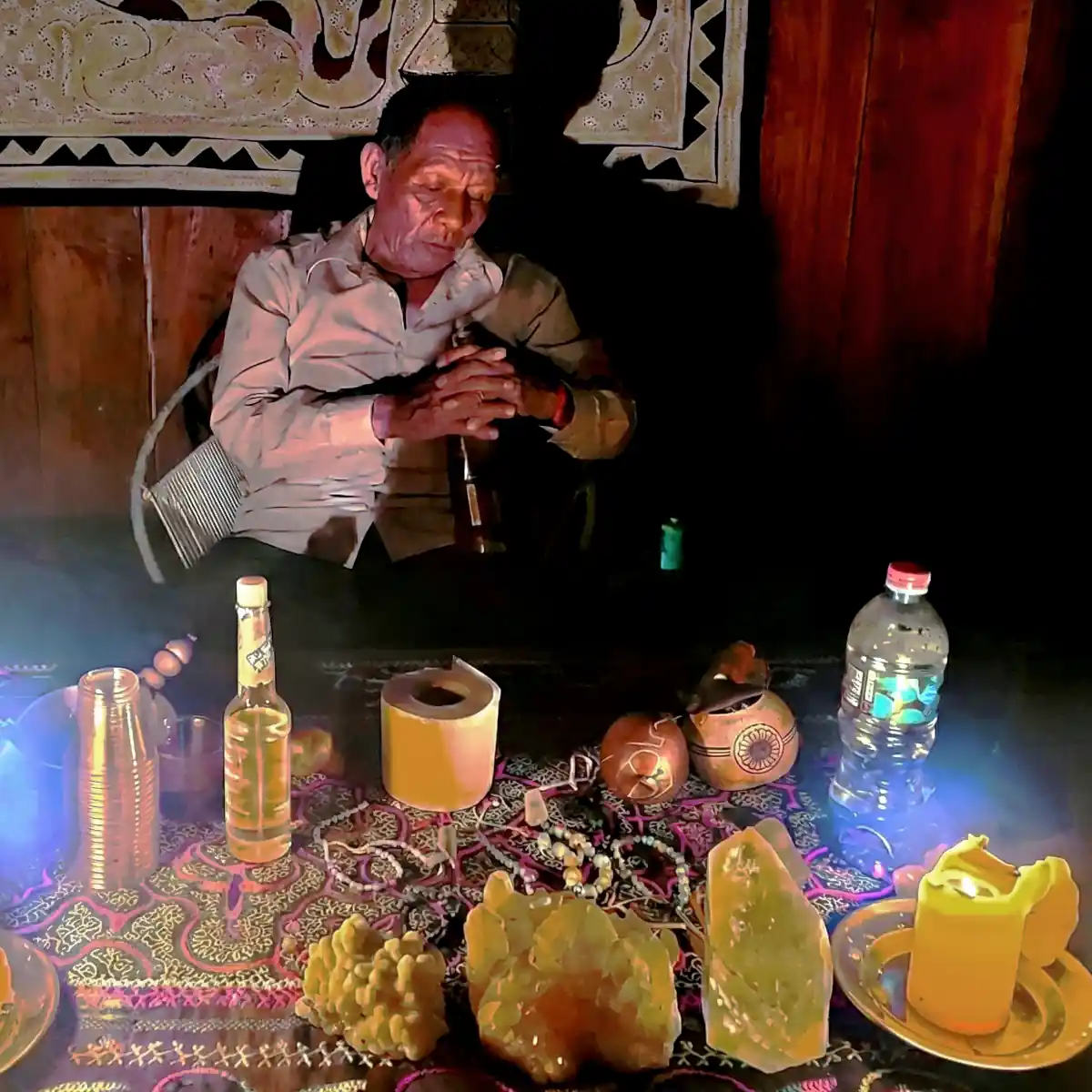

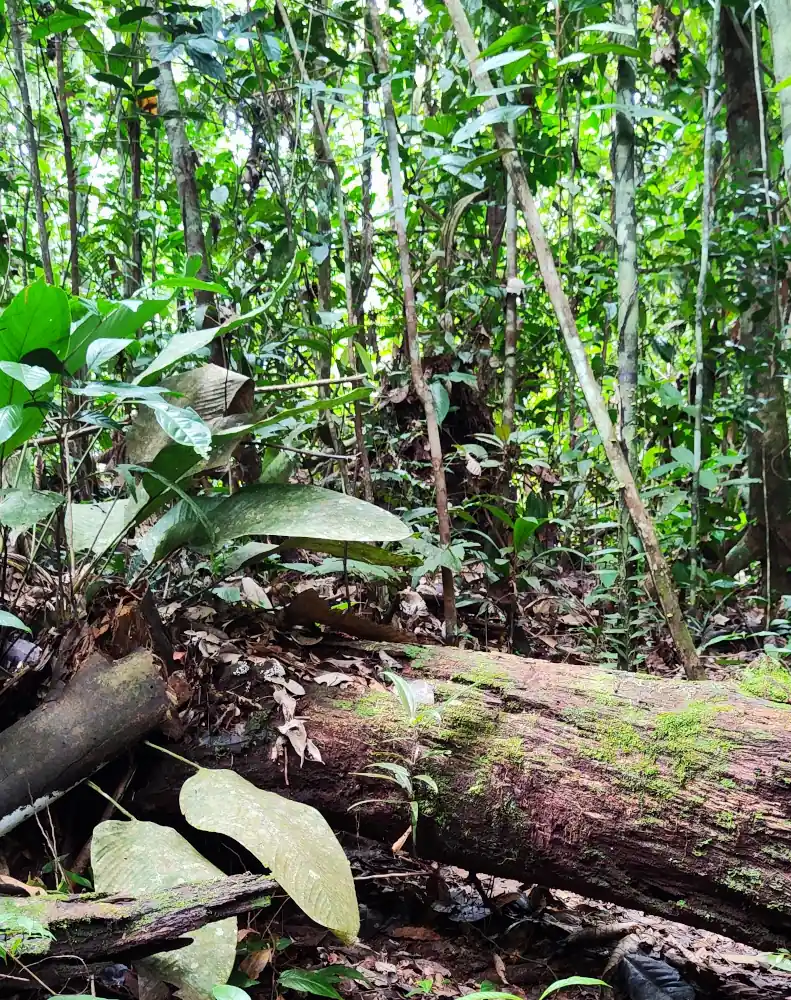
An ayahuasca ceremony is a guided, ritual context in which participants drink a traditional Amazonian plant brew, commonly prepared from the Banisteriopsis caapi vine and companion plants. For many Indigenous peoples of the Amazon, ayahuasca has long been used within ceremonial traditions for spiritual insight, community guidance, and healing practices embedded in culture and lineage.
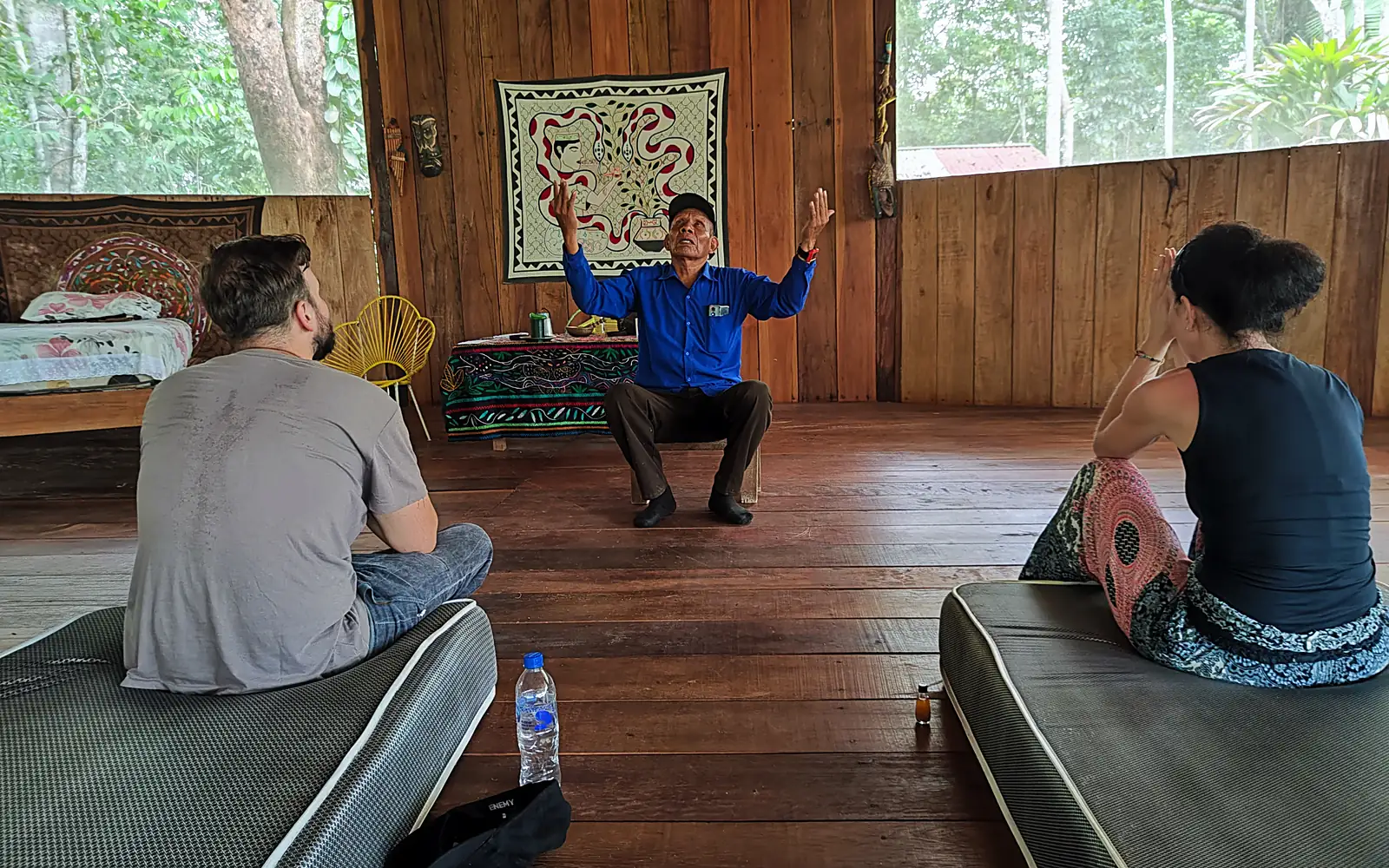
In traditional settings, ceremonies are typically led by trained healers (often called curanderos or ayahuasqueros) who create structure through prayer, song (icaros), and careful stewardship of the space. A responsible ceremony is not recreational—it is intentional, serious, and held with respect for the plants and the peoples who have safeguarded these traditions.
Today, ceremonies occur in many contexts, and quality varies widely. Understanding who is leading, how safety is handled, and how the tradition is respected is essential.
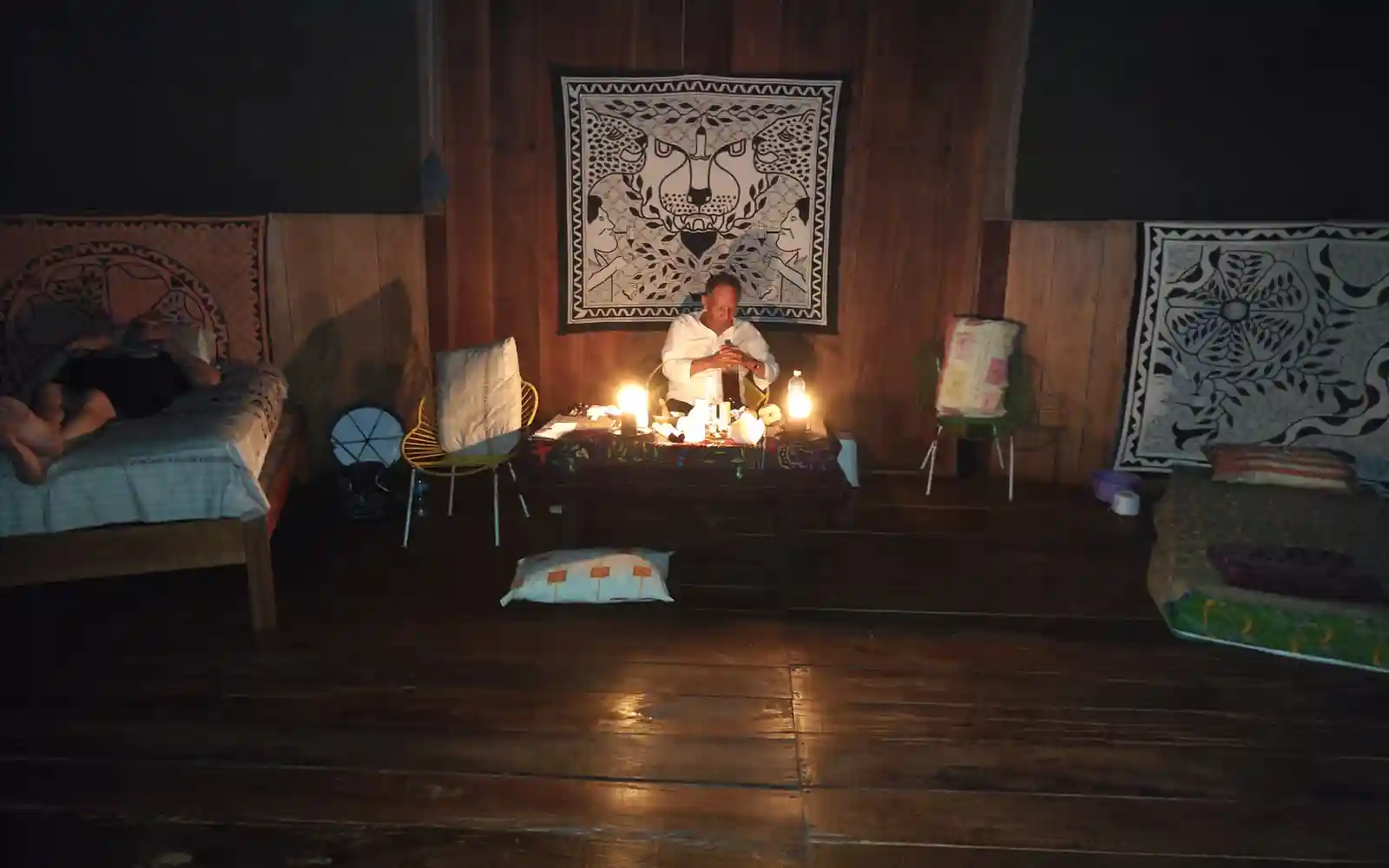
People come to ayahuasca for many reasons. Some are seeking clarity during major life transitions; others hope to explore patterns, grief, purpose, or their relationship to self and the world. Many describe the experience as meaningful, challenging, and deeply personal.
Responsible centers encourage intentions over expectations. Experiences vary, and there are no guaranteed outcomes.
Each ceremony begins with the energetic cleansing of the space—often using tobacco, Palo Santo, or White Sage to purify the environment and invite healing energies. This prepares the space for deep spiritual work.
Before drinking the brew, the ayahuasquero sings to the ayahuasca, inviting its spirit to enter and guide the healing process. Once the medicine is served and the lights turned off, silence is observed as the effects begin to unfold.
After 30–60 minutes, the healer begins to sing icaros—sacred songs received from the spirits during years of training. These songs call upon the healing forces to cleanse, protect, and assist the participants on their journey.
The ceremony unfolds with protection being invoked first, followed by the arrival of doctor spirits to facilitate healing. Early ceremonies in a retreat often focus on purification, preparing the body to receive more refined, high-vibration energies.
As the ceremony nears its end, the ayahuasquero performs individual healing on each person, guided by intuition and spiritual connection. The ceremony is closed with gratitude—offered to ayahuasca, the spirits, and God for their healing presence.
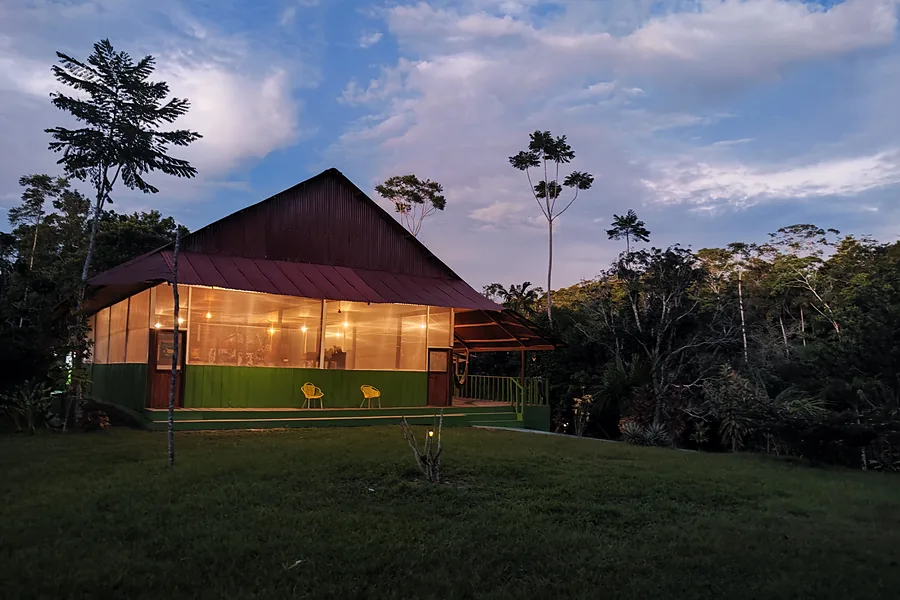
A well-run process usually starts long before the ceremony night. This may include health and medication screening, dietary guidance (often called a "dieta"), substance restrictions, and an orientation that explains the format and what to do if the experience becomes intense.
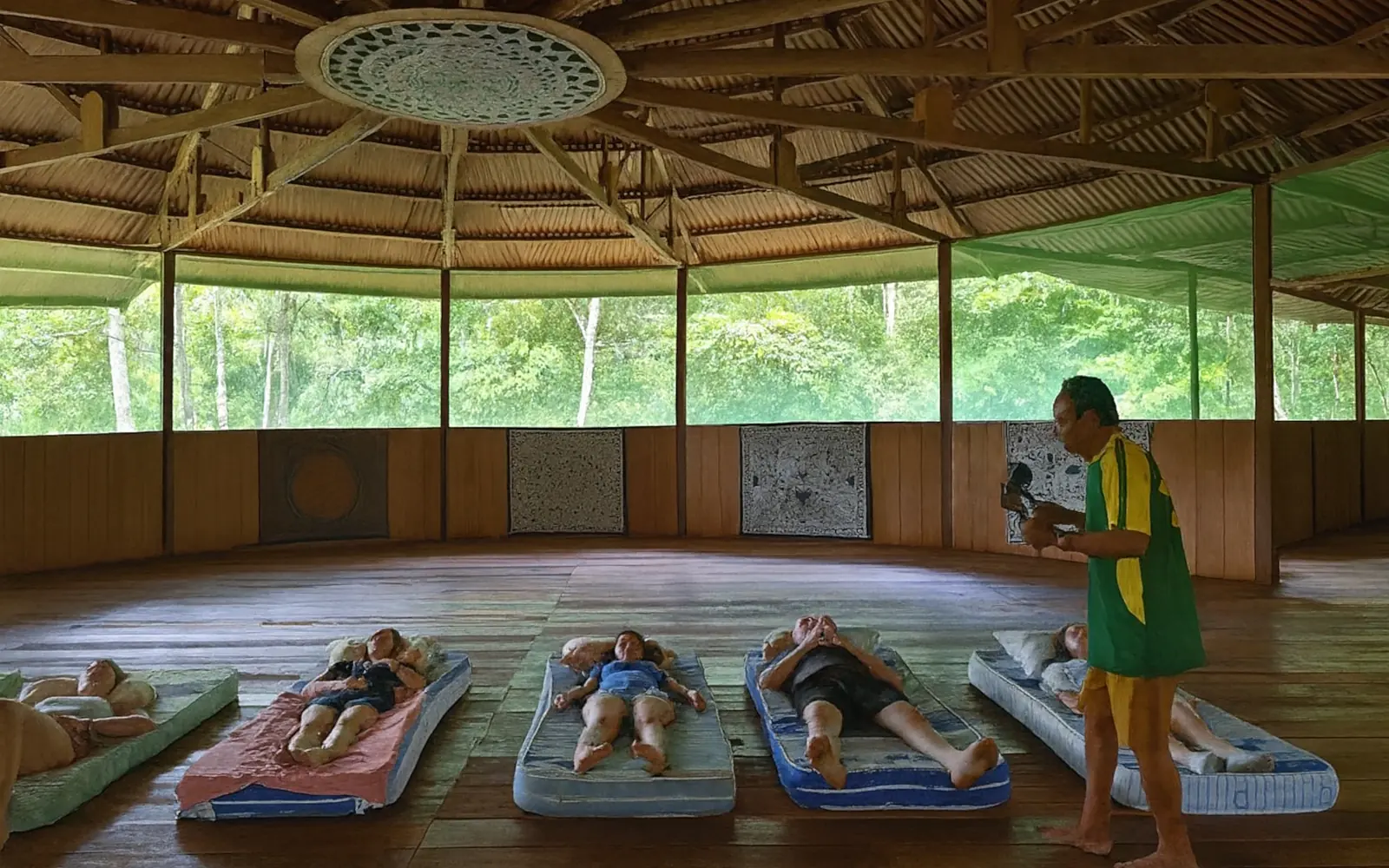
Ceremony length varies, but many last 4–8 hours. Participants usually remain seated or lying down. The space may be held in silence at times, and may include music or traditional songs. Skilled facilitators focus on safety, containment, and respectful guidance.
Effects can be emotional, somatic, introspective, or sensory. Some people experience nausea or purging (vomiting/diarrhea), which traditional contexts may view as part of a cleansing process—though it is not required for a meaningful experience.
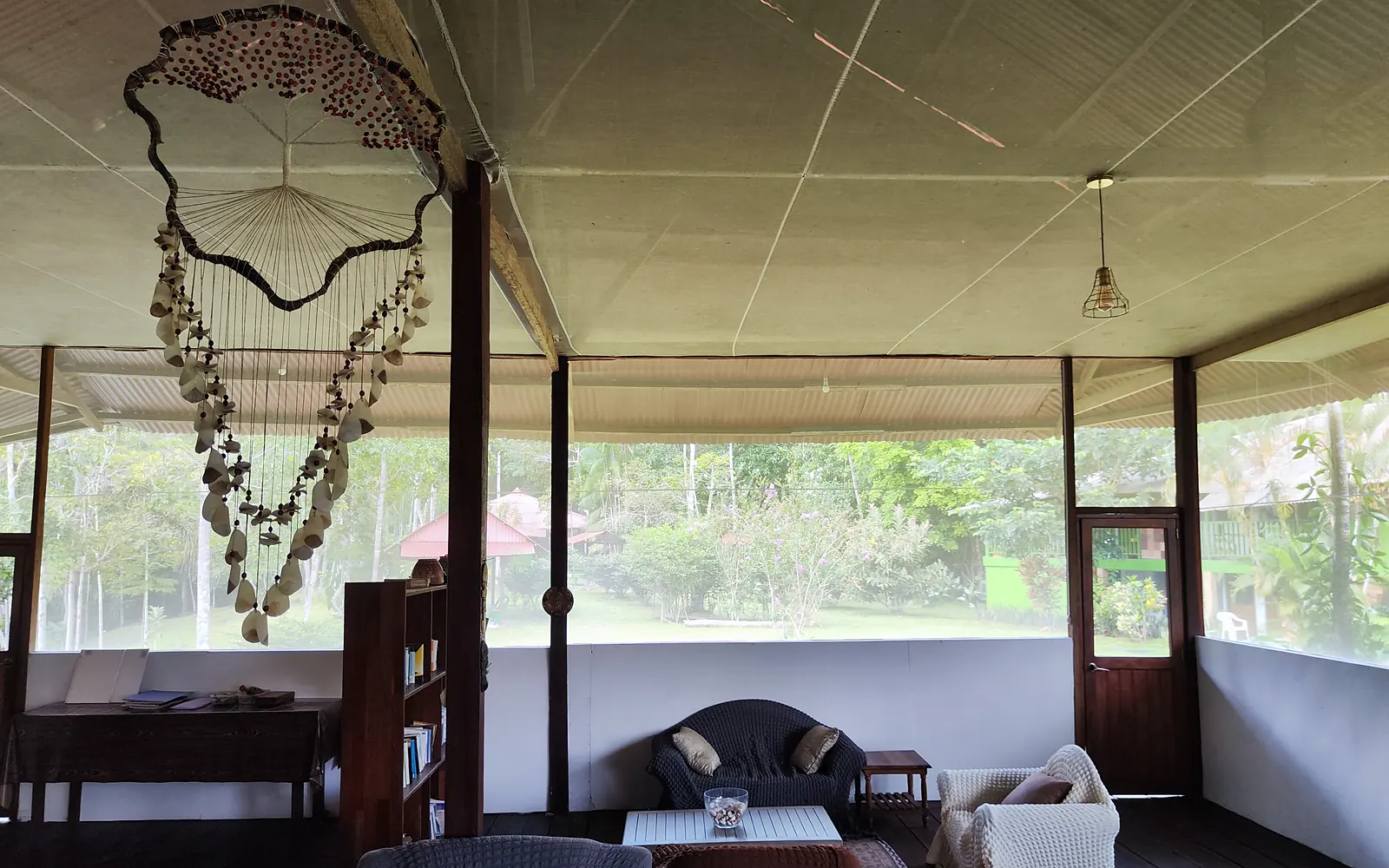
The hours and days after ceremony matter. Responsible spaces provide time for rest and reflection, and often offer integration circles or guidance to help you process what happened without rushing to conclusions.
Ayahuasca carries real risks. The safest approach is transparent screening, conservative decision-making, and a willingness to say "not now" (or "not for you") when appropriate.
Preparation isn't about being "perfect." It's about lowering risk and supporting your body and mind. Dietary and substance guidance can reduce nausea triggers, support stable sleep, and help participants arrive grounded.
Integration is the process of making meaning of your experience and translating it into life—relationships, habits, self-care, and values. Good integration avoids extremes ("it meant everything" vs. "it meant nothing") and focuses on steady, compassionate practice.
Ayahuasca originates from living Indigenous traditions. Respectful practice means acknowledging that this work is not a consumer product or entertainment. It includes humility toward lineage, transparency about training and facilitation, and ethical sourcing and stewardship of plants.
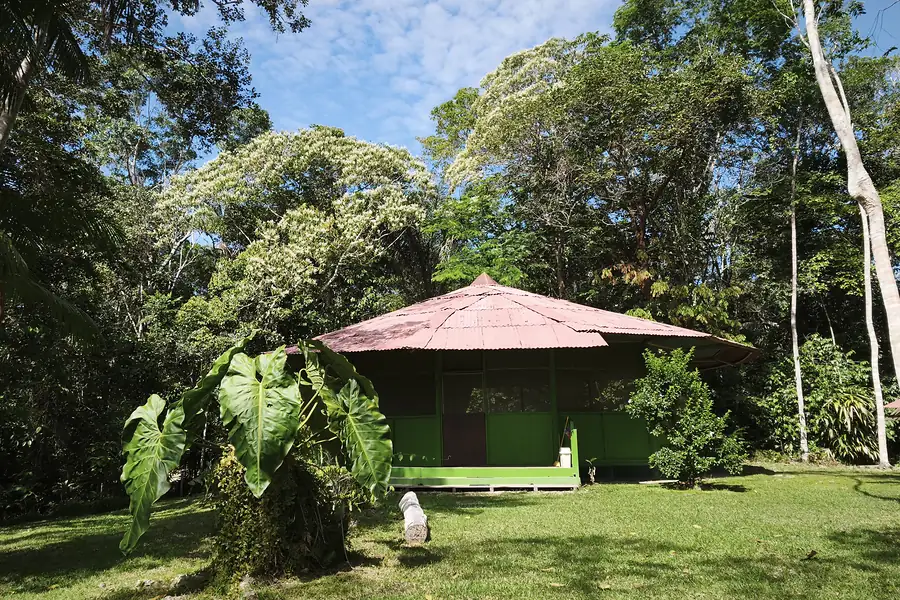
Hummingbird Healing Center focuses on responsible, well-held ceremonies designed for safety, dignity, and genuine growth—not spectacle. Our approach emphasizes screening, clear orientation, grounded facilitation, and integration support.
Start with our responsible-ceremony overview and safety guidance. If you feel aligned, you can reach out with questions.
Ceremonies at the Hummingbird last 5–6 hours. This time includes a meditation to prepare, energetic cleansing of the moloca, and quick check-in with individuals after the formal ceremony.
It varies. Some people attend a single ceremony; others participate in a series over multiple nights. There's no one-size-fits-all answer. Responsible facilitators help you pace appropriately.
Experiences vary widely. People report emotional release, introspection, body sensations, vivid imagery, or periods of stillness. Intensity can come in waves. No outcome is guaranteed.
Not always. Nausea and purging can occur, and some traditions view it as cleansing, but many people have meaningful ceremonies without it. Preparation and careful facilitation can help reduce unnecessary distress.
Practices vary by tradition and center. In responsible settings, dosing is approached conservatively and with attention to individual factors. Your screening information should inform all decisions.
Our What to Bring web page has a comprehensive list of items to bring that will make your stay as comfortable as possible.
Costs vary by location, retreat length, staffing, and support level. Look for transparent pricing and clear descriptions of what's included. View our retreat pricing.
Ayahuasca can be safer in well-screened, professionally held settings, but it still carries risk and is not appropriate for everyone. Screening, honesty about medications, and strong facilitation are non-negotiable.
Prioritize sleep, hydration, simple nourishment, and gentle reflection. Avoid major life decisions for a period of time. Integration support can help you translate insights into sustainable change. Learn about integration.